Business sector
Viticulture
In 1955, Marcel Dassault acquired Château Couperie, captivated by its Second Empire-style residence and forested parkland. Ahead of his time, he was among the first major industrialists to invest in a vineyard. In his pursuit of excellence, he gave the estate his name, replanted the vineyard and modernized its facilities. In 1969, Château Dassault was promoted to the rank of Saint-Émilion Grand Cru Classé.
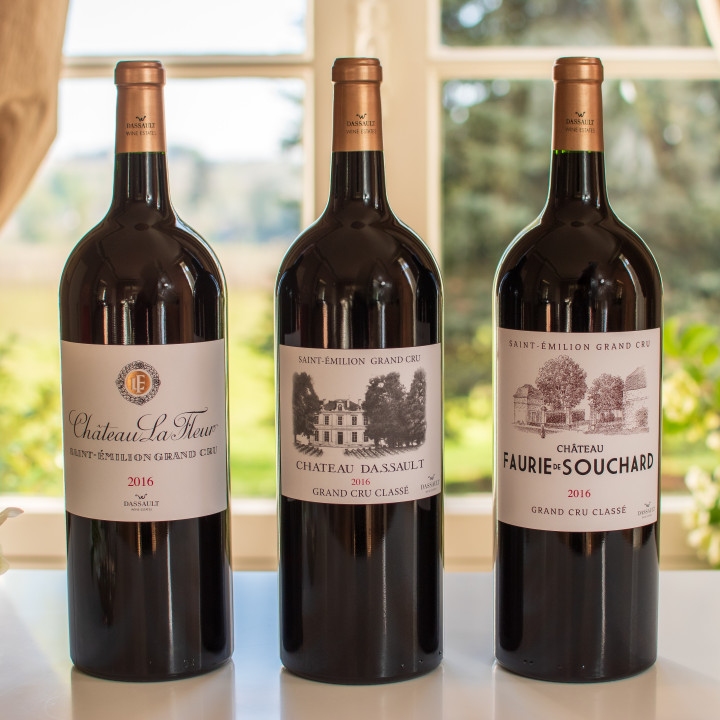
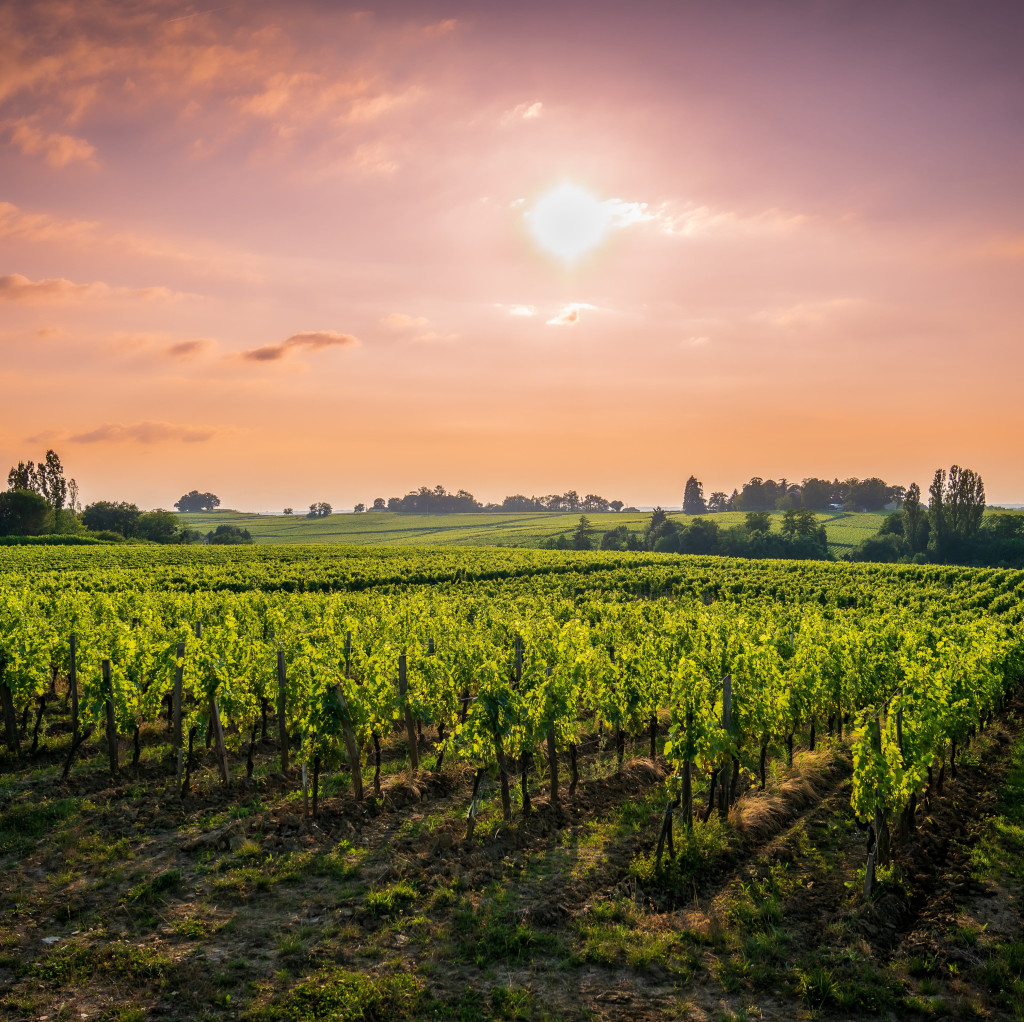
The start of the 21st century marked a new period of development for Dassault Wine Estates. Its vineyards expanded with the acquisition of Château La Fleur in 2002 and Château Faurie de Souchard in 2013. Several hectares of a Grand Cru vineyard near Château La Fleur were subsequently added to the Dassault holdings. These acquisitions were guided not only by passion but also by the continuity of the terroirs, which now form a contiguous estate covering nearly 60 hectares (148 acres).
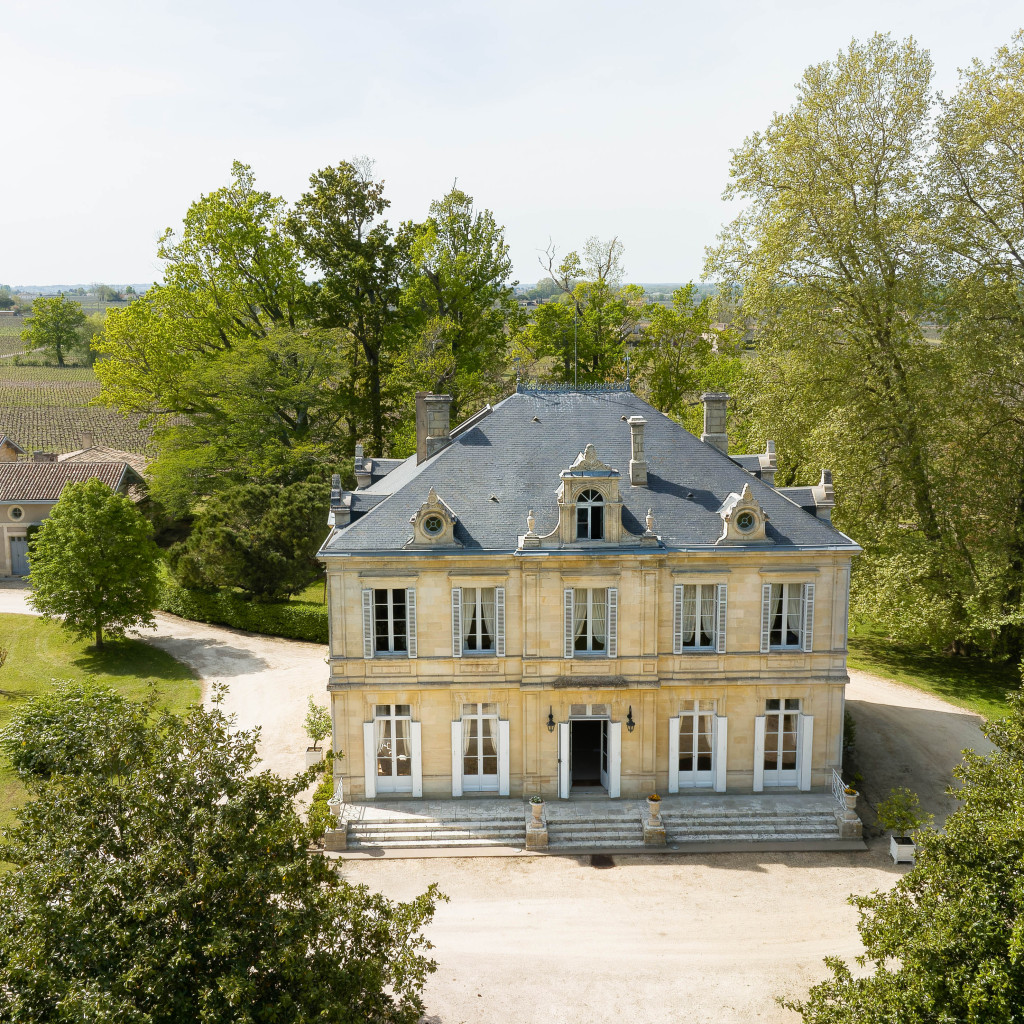
Château Dassault has continued to refine both its vineyard and viticultural practices. Committed to environmental stewardship, its teams have adopted sustainable methods based on agro-ecology. These efforts earned the estate High Environmental Value (HVE) Level 3 certification in 2016 and the Bee Friendly label in 2021.
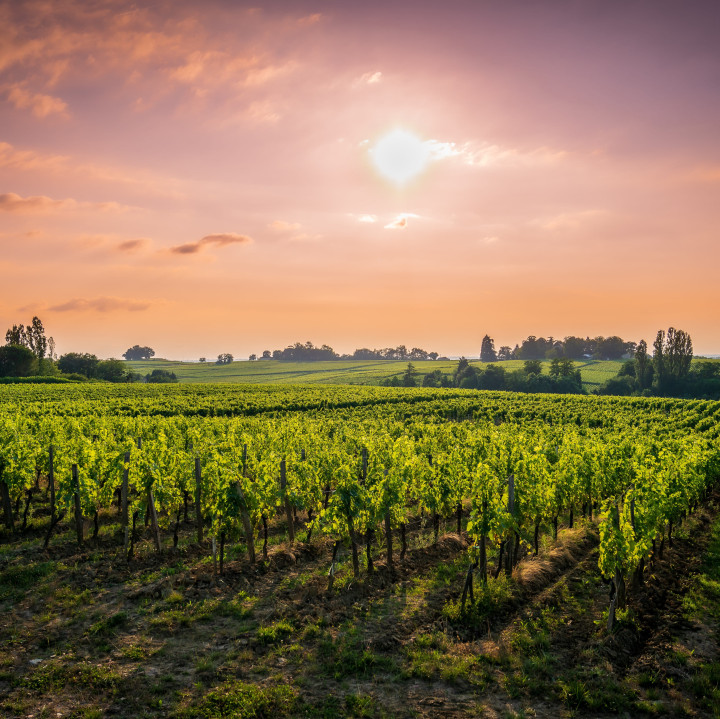
The vineyard’s grape variety composition was modified as well: the proportions of Cabernet Franc and Cabernet Sauvignon were increased, while keeping Merlot as the dominant cépage. The aim was to adapt to a changing climate by planting later-ripening grape varietals that are better able to withstand heat while still preserving the wine’s identity.
The wines produced by Dassault Wine Estates embody the very identity of Saint-Émilion
Renowned worldwide, the Saint-Emilion appellation is characterized by three soil types: clay, limestone and ancient sands. The vineyard’s north-facing slope allows the vines to benefit from cooler temperatures during increasingly frequent periods of heat and drought in the summer. These details lend the wines their distinctive character, demonstrated across a wide range of winemaking styles and aromatic profiles.
Enhancing the fruit
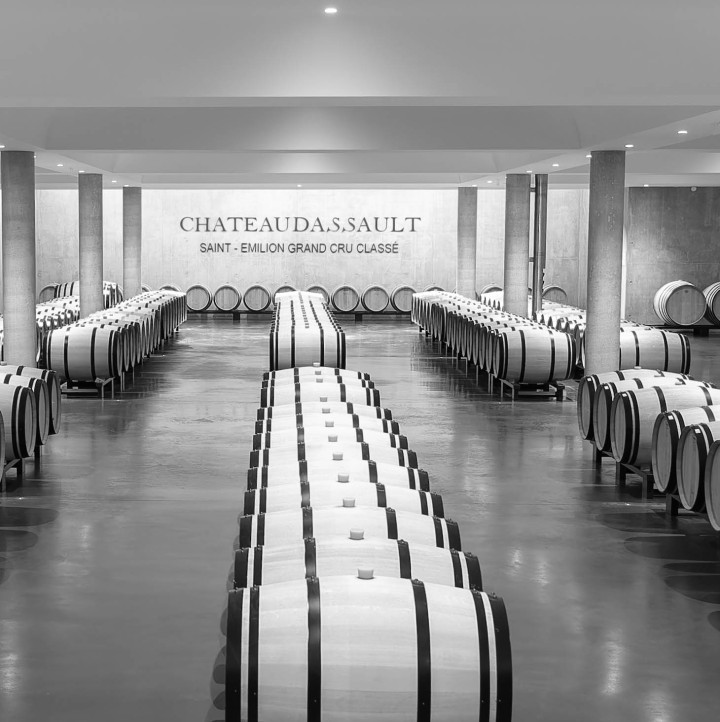
Oak is an alluring component in wine that should help to bring out the fruit. The malolactic fermentation is partly carried out in new barrels. The wine is aged in these barrels for 14 to 18 months. Throughout this ageing period, oxygen passes through the grain of the oak and modifies the tannins, making them silkier and better integrated.
The orders for barrels are planned each year, always taking care to use a number of different suppliers. The sourcing of the oak from central France, as well as a minimum of two years’ seasoning, are an indispensable part of the technical specifications.
To accentuate this quality requirement, the team at Dassault fine tunes the search for elegance and complexity with a very precise check on the different forests chosen and also on the level and duration of toasting.
All the coopers take part in this precision quality research every year.
The barrel must contribute to the complexity of the wine’s fruit by adding spicy, varied and complementary aromas and thus enhancing the fruit.
In 2019, Romain DEPONS takes over from Laurence BRUN and carries on these improvments.
In-depth work was undertaken by a dedicated team, assisted by the expertise of Richard Vanrenterghem (vineyard consultant) et Jean Philippe Fort (consultant oenologist).
Château Dassault has continued to refine both its vineyard and viticultural practices. Committed to environmental stewardship, its teams have adopted sustainable methods based on agro-ecology. These efforts earned the estate High Environmental Value (HVE) Level 3 certification in 2016 and the Bee Friendly label in 2021.
The vineyard’s grape variety composition was modified as well: the proportions of Cabernet Franc and Cabernet Sauvignon were increased, while keeping Merlot as the dominant cépage. The aim was to adapt to a changing climate by planting later-ripening grape varietals that are better able to withstand heat while still preserving the wine’s identity.
The wines produced by Dassault Wine Estates embody the very identity of Saint-Émilion
Renowned worldwide, the Saint-Emilion appellation is characterized by three soil types: clay, limestone and ancient sands. The vineyard’s north-facing slope allows the vines to benefit from cooler temperatures during increasingly frequent periods of heat and drought in the summer. These details lend the wines their distinctive character, demonstrated across a wide range of winemaking styles and aromatic profiles.
Enhancing the fruit
Oak is an alluring component in wine that should help to bring out the fruit. The malolactic fermentation is partly carried out in new barrels. The wine is aged in these barrels for 14 to 18 months. Throughout this ageing period, oxygen passes through the grain of the oak and modifies the tannins, making them silkier and better integrated.
The orders for barrels are planned each year, always taking care to use a number of different suppliers. The sourcing of the oak from central France, as well as a minimum of two years’ seasoning, are an indispensable part of the technical specifications.
To accentuate this quality requirement, the team at Dassault fine tunes the search for elegance and complexity with a very precise check on the different forests chosen and also on the level and duration of toasting.
All the coopers take part in this precision quality research every year.
The barrel must contribute to the complexity of the wine’s fruit by adding spicy, varied and complementary aromas and thus enhancing the fruit.
In 2019, Romain DEPONS takes over from Laurence BRUN and carries on these improvments.
In-depth work was undertaken by a dedicated team, assisted by the expertise of Richard Vanrenterghem (vineyard consultant) et Jean Philippe Fort (consultant oenologist).
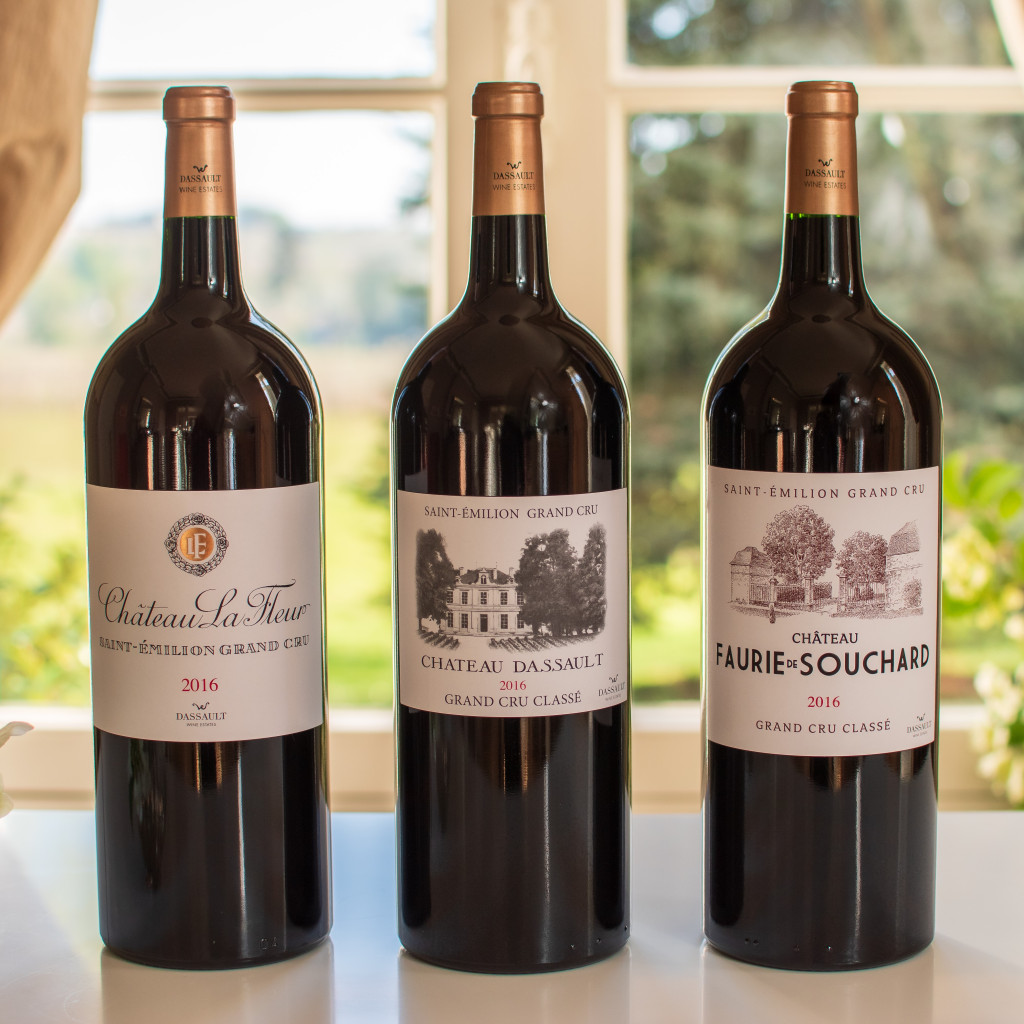
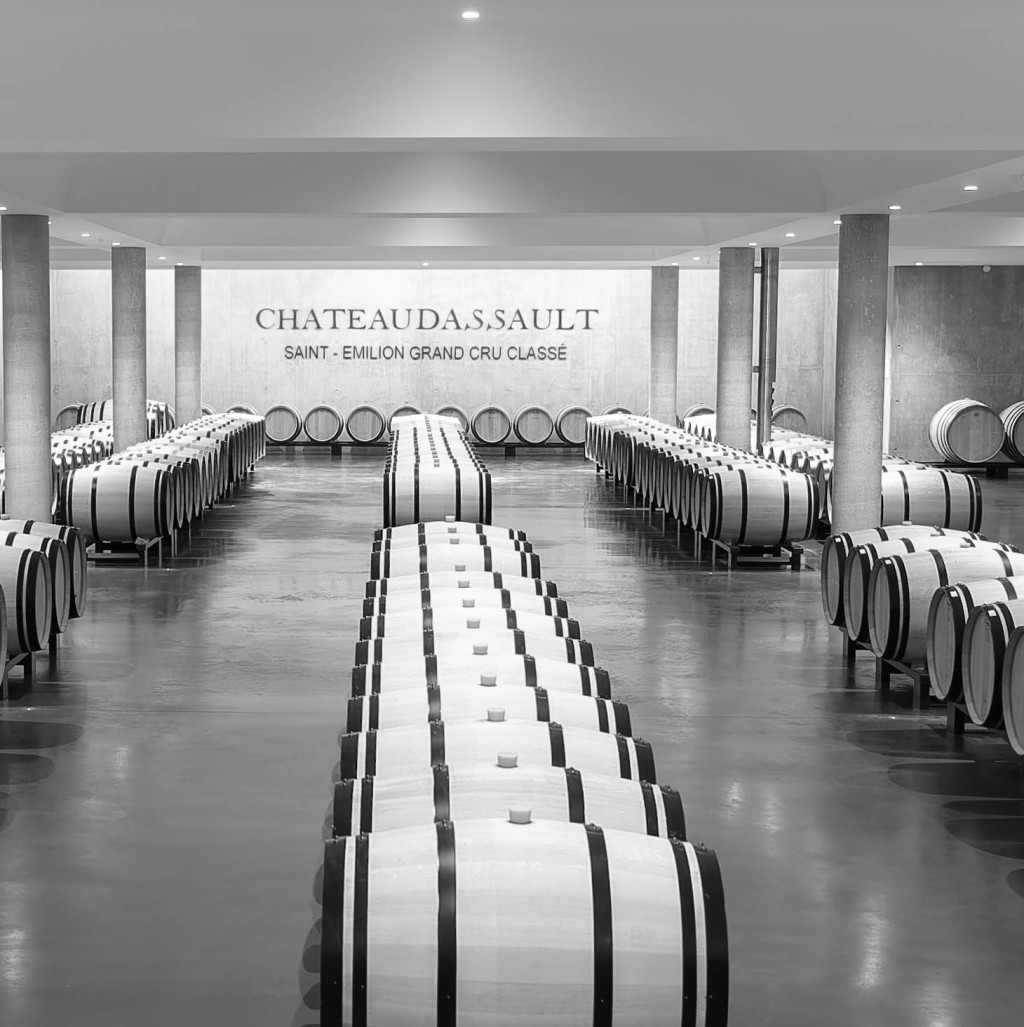
Over the years, the properties owned by Dassault Wine Estates have increased to nearly sixty hectares and now form one of the largest vineyard holdings in Saint-Emilion. Discover Le Château Dassault, Le Château Faurie de Souchard and Le Château La Fleur.
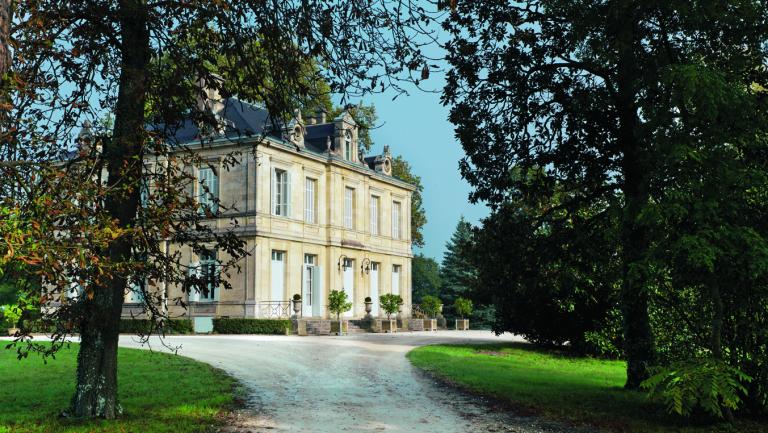
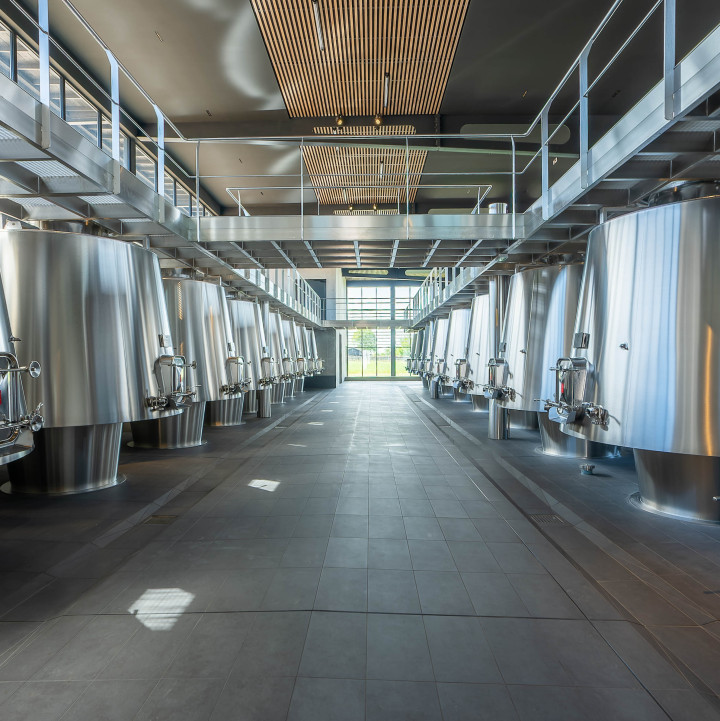
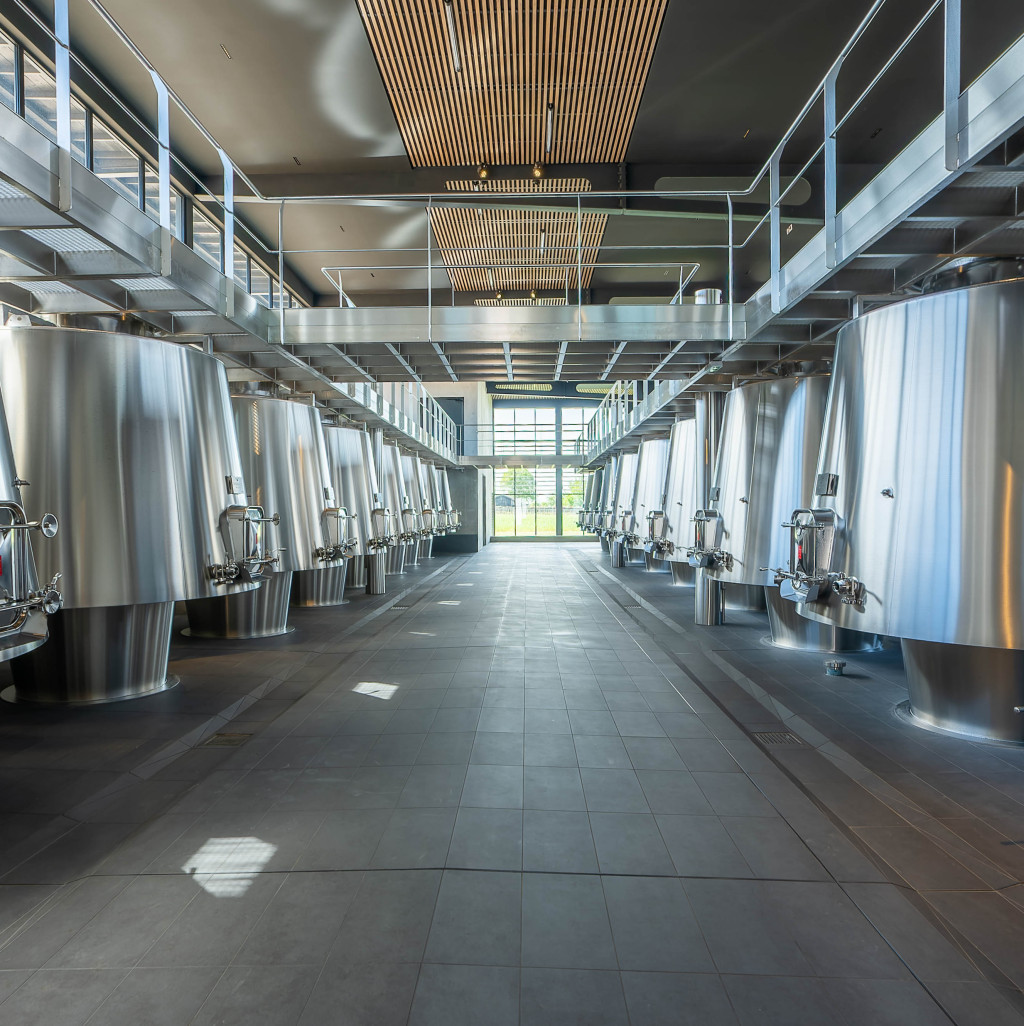
Since it was acquired by Marcel Dassault in 1955 Château Couperie, renamed Château Dassault, has not ceased to make progress. Large investments have been undertaken regularly, as much in the vineyard as in the methods and equipment necessary for vinification and ageing.
But if a great wine is the result of a passion, it is also the fruit of lots of hard work, vintage after vintage.
While respecting the terroir and the people who have known it over the centuries, it is a question of enhancing the potential, with the humility imposed by the vagaries of nature.
As in any company, risk taking, investment and innovation are the essential keys to success.
It is the right balance between tradition and progress that allows wine to develop without losing its spirit, until it achieves excellence.
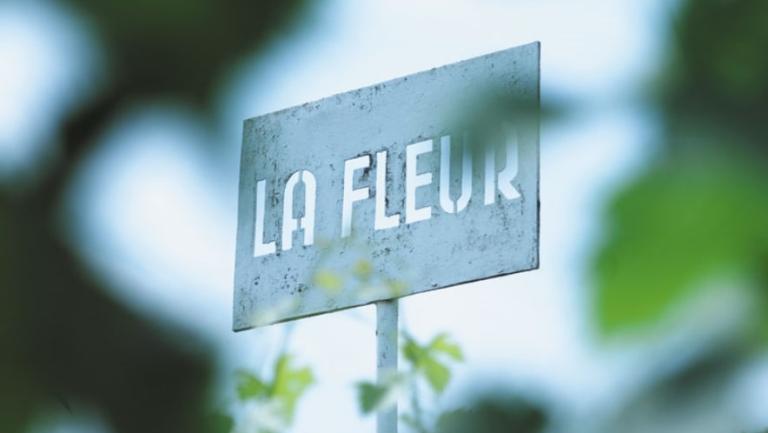
In 2002 Dassault Wine Estates became owner of its closest neighbour, Château La Fleur.
The best practices were then put in place to allow this marvellous terroir to express itself at its true value, and thus raise it up to the level of the best Saint-Emilion classed growths.
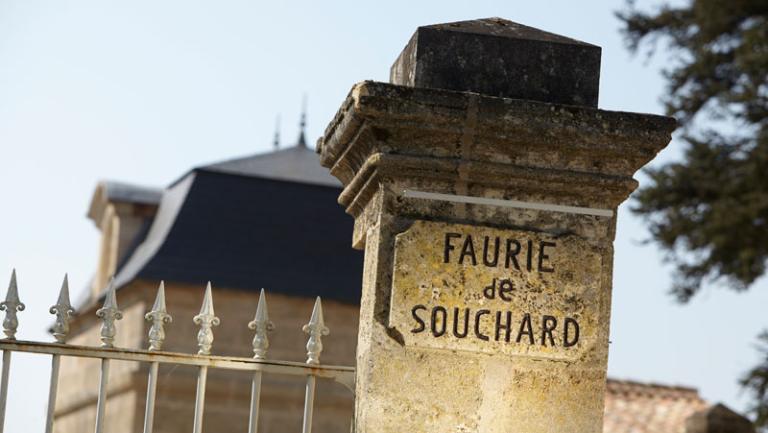
In 2013 Château Faurie de Souchard, a Saint-Emilion Grand Cru Classé, further enhanced the Dassault Wine Estates collection.
The quality of the work performed at this property over several years, with respect for the soil and the spirit of the terroir, with the ultimate goal of producing a fine wine, fits in perfectly with the group's mission in the search for excellence.
This site fully respects your privacy. We do not collect any personal data. You can browse safely, without tracking or collecting information for advertising or analytical purposes. Your experience on this site is completely confidential.